My Cat It My Valentine SVG
A Designer’s First Look: Charm with a Slight Quirk
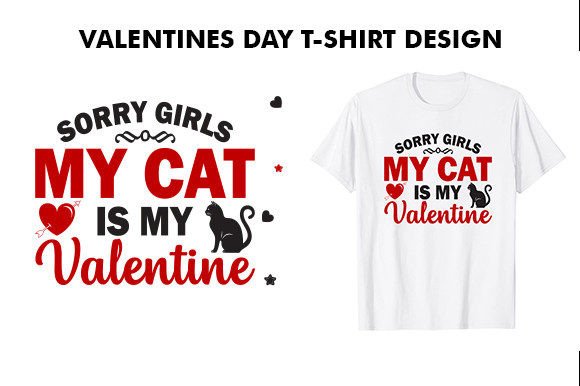
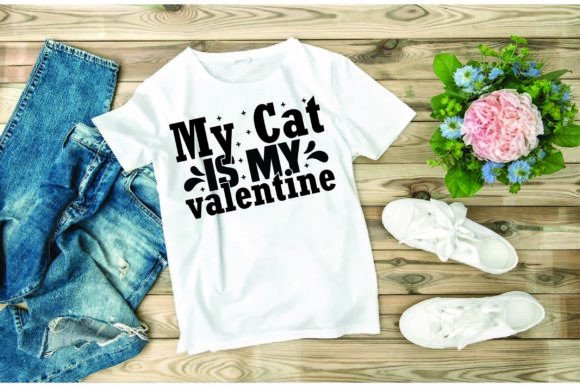
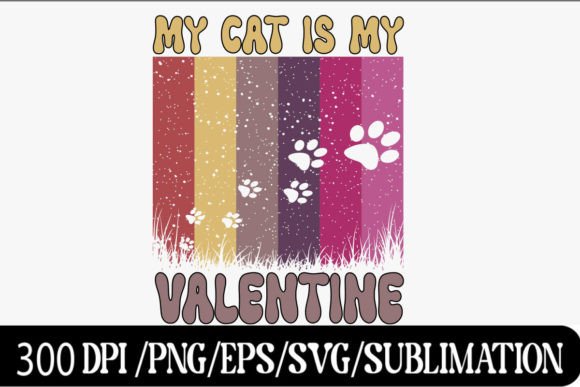
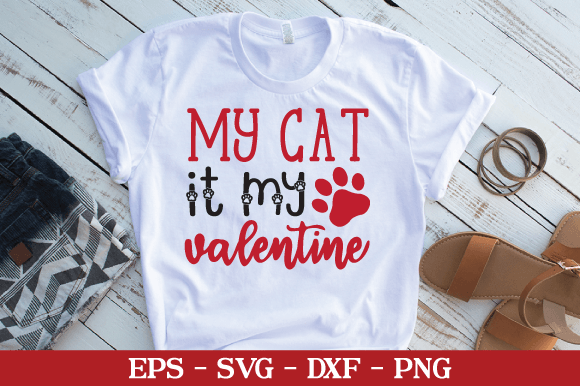
Opening the ZIP folder for My Cat It My Valentine SVG, I felt that familiar mix of anticipation and scrutiny — the kind you get before stitching a design meant for real people, real gifts, real small-business inventory. The phrase “My Cat It My Valentine” lands with warm, slightly tongue-in-cheek affection — not overly cutesy, not ironic enough to feel distant. It’s the kind of line you’d stitch on a handmade tote for your cat-obsessed friend or embroider onto a soft cotton baby onesie as a lighthearted Valentine’s Day keepsake. Visually, it’s clean and centered, built for readability at modest sizes. The letterforms are rounded but sturdy, with just enough personality to avoid looking like generic clip art. As a T-Shirt Designs asset, it leans more toward charm than flash — which is exactly where its strength lies.
How It Stitches in the Real World
I tested My Cat It My Valentine SVG across three common project types: a medium-weight cotton tote bag, a fleece-lined sweatshirt, and a 100% cotton tea towel. On the tote, it stitched cleanly at 3.5" wide using standard tear-away stabilizer — no puckering, no skipped stitches. The letter spacing held up well, and the overall shape stayed crisp. On the sweatshirt, I added cutaway stabilizer underneath and reduced top tension slightly; again, solid results. The design doesn’t rely on fine serifs or ultra-thin lines, so it translates reliably into machine embroidery design territory without needing heavy editing.
Where it shines most is in personalized gift contexts — think embroidered pillow covers for a pet-loving couple, aprons for a cat café pop-up, or nursery decor for a new parent whose first Valentine’s Day includes a tiny human and a very opinionated feline. It’s also a natural fit for Etsy seller listings: the phrase is instantly recognizable, emotionally resonant, and commercially safe (no copyright red flags in the wording). As a digital embroidery file, it’s versatile enough for both custom apparel and embroidered patch production — especially if you plan to add simple appliqué elements later (like a tiny heart or paw print).
Where to Use It Thoughtfully
This isn’t a one-size-fits-all embroidery file — and that’s okay. My Cat It My Valentine SVG works best when you match its gentle scale and friendly tone to the right product and fabric. Avoid using it below 2.75" on stretchy fabrics like jersey t-shirts unless you’ve tested stitch density and stabilizer combo thoroughly. On dark fabrics, stick with high-contrast thread colors (white, cream, or pale pink) — the design’s open letterforms don’t carry well in low-contrast combos. And while it holds up nicely on flat surfaces, skip curved applications like baseball caps unless you’re willing to reposition and possibly resize — the balanced layout doesn’t adapt gracefully to tight front panels without some manual adjustment.
Also worth noting: because it’s a single-line phrase with no intricate flourishes, it’s not ideal as a standalone applique design. There’s no built-in satin-stitch border or layered fill areas — it’s fundamentally a clean, linear text-based Graphics file. That makes it easy to modify, yes, but also means you’ll want to build out supporting elements yourself if you’re aiming for visual richness (e.g., adding a subtle shadow stitch or pairing it with a companion icon).
What It Adds — and Doesn’t Add — to Your Finished Product
Used well, My Cat It My Valentine SVG elevates a simple item into something emotionally specific. A plain canvas tote becomes a conversation starter. A basic sweatshirt gains warmth and personality. Customers respond to that authenticity — especially in handmade markets where buyers value intention over polish. It supports brand consistency for craft businesses that lean into wit and tenderness, and it boosts giftability without leaning on clichés.
That said, it won’t magically fix poor execution. If your hoop size is too small for the intended scale, or your stabilizer choice clashes with fabric texture, even this forgiving design will look uneven. Likewise, on thin or loosely woven fabrics like linen tea towels, test stitching is non-negotiable — fill stitch density matters more here than on denser cottons. And while the included PNG (300 dpi, transparent background) is perfect for printable mockups, remember: screen clarity ≠ stitch clarity. Always preview in black-and-white and on both light/dark fabric swatches before finalizing your craft business listing.
Practical Notes Every Embroidery Designer Should Check
- Test first — always run a sample on scrap fabric matching your target garment’s weight and stretch.
- Review thread colors — choose hues that enhance legibility, not just aesthetics.
- Confirm hoop size compatibility — the vector files (SVG, EPS, DXF) let you scale, but keep an eye on minimum legible width.
- Inspect corners and terminals — no sharp angles here, but check how the ends of letters behave at smaller sizes.
- Use proper stabilizer — tear-away for stable wovens, cut-away for knits or textured surfaces.
- Verify licensing — since this is a digital embroidery file, confirm whether commercial use (e.g., selling finished embroidered items or reselling the file) is permitted before launching your small shop product.
Final Thought: A Quietly Effective Design Asset
My Cat It My Valentine SVG isn’t flashy — and it doesn’t need to be. It’s a focused, functional, emotionally grounded piece of design assets that earns its place in a working designer’s library. It fits neatly into holiday embroidery, baby embroidery, and everyday handmade product lines without demanding extra effort or complex digitizing. For creative entrepreneurs building a thoughtful catalog — whether for Etsy, craft fairs, or local boutiques — it’s a reliable, repeatable, and quietly charming option. Just remember: its simplicity is its strength, not its limitation. Respect the fabric, honor the stitch, and let the sentiment speak for itself.