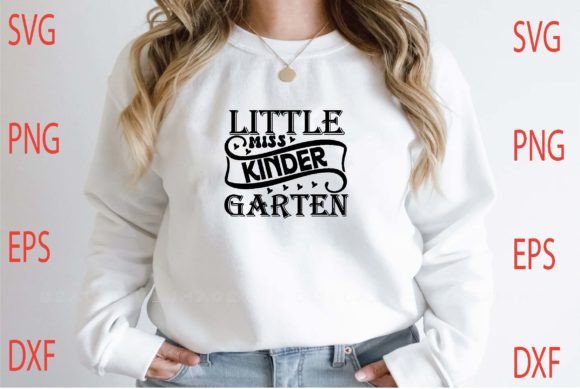
Little Miss Kinder Garten SVG Design
A Designer’s First Look: Whimsy, Warmth, and Real-World Fit
When I opened Little Miss Kinder Garten Svg Design, I didn’t just see shapes—I saw a tiny garden party waiting to happen. Soft curves, rounded lettering, and gentle botanical flourishes give it an immediate sense of childhood innocence and handmade charm. It’s not overly cutesy or cartoonish; instead, it leans into quiet nostalgia—think hand-painted nursery signs, vintage storybook covers, and springtime classroom decorations. As a designer who regularly translates digital files into stitched reality, my first question is always: Does this hold up under thread? The answer, after testing on several fabric types, is a qualified yes—but with thoughtful intention.
Where It Shines: Embroidery Projects That Feel Like Gifts
I used Little Miss Kinder Garten Svg Design to create a custom embroidered cotton tote for a local preschool teacher’s end-of-year gift. Paired with pale sage linen-cotton blend and soft ecru thread, the design landed perfectly: legible at 3.5", warm in tone, and unmistakably personal. It works especially well for baby embroidery—think onesies, burp cloths, or quilt labels—where delicate scale and gentle contrast matter. On sweatshirt embroidery, it reads beautifully when centered above the pocket or subtly placed on the sleeve. As a tote bag design or pillow cover motif, it adds boutique-level polish without demanding advanced digitizing skills.
For Etsy sellers and small shop owners, this file fits neatly into seasonal collections: spring launches, back-to-school bundles, or baby shower bundles. Its “word by layer” SVG structure makes it adaptable—not just for embroidery, but for printable mockups, iron-on transfers, or even vinyl-cut applique designs. As a graphics asset, it bridges digital and physical craft worlds without feeling generic.
Where to Pause: Fabric, Scale, and Stitching Nuance
This isn’t a one-size-fits-all machine embroidery design. On thin or stretchy fabric—like lightweight knits or baby rib knit—it needs extra stabilization. I recommend cutaway + tear-away combo stabilizer for clean satin stitch edges and crisp fill stitch coverage. On dark fabric, test thread colors first: light pastels can fade visually unless you boost contrast with slightly deeper tones (e.g., mint instead of seafoam, blush instead of ivory).
Curved surfaces like caps or toddler beanies require careful hooping and possibly slight scaling down—the floral elements and letter spacing tighten noticeably if forced into tight radii. Tiny corners (especially where stems meet letters) can trap thread or skip stitches on lower-end machines; always run a test on scrap before committing to the final piece. And while the design avoids ultra-fine detail, dense fill areas still benefit from moderate stitch density—don’t push it beyond 10–12,000 stitches without checking your machine’s tolerance.
Practical Notes Every Embroidery Designer Should Keep Handy
- Always test first—not just on fabric, but on your actual project garment. A tea towel behaves differently than a denim jacket.
- Check contrast in both black-and-white and color mockups. What reads softly on screen may vanish on charcoal fabric.
- Review hoop size compatibility. The layered SVG format helps, but confirm your embroidery software handles the word-by-layer breakdown smoothly before converting to .pes or .dst.
- Inspect small details at 200% zoom. Are inner loops closed? Do connecting stems have enough clearance for satin stitch width?
- Confirm licensing terms before selling finished products. Since this is listed as a Freebie, verify whether commercial use is permitted for physical items—and whether resale of the digital embroidery file itself is allowed.
- Match stabilizer to fabric texture. Rougher weaves (like burlap or heavy canvas) need firmer backing to prevent puckering around delicate stems and petals.
How It Shapes Perception—Before and After Stitching
What surprises me most about Little Miss Kinder Garten Svg Design is how much it elevates perceived value. On a plain cotton apron, it transforms utilitarian into heirloom. On a holiday embroidery project—say, a personalized Easter egg pillow—it adds narrative warmth without clutter. Customers notice that care. They associate the clarity of line and balanced spacing with professionalism, even if they don’t know what “stitch density” means.
For creative entrepreneurs, that trust matters. When your Etsy listing features this design on a mockup, buyers imagine gifting it—not just buying it. That emotional resonance is hard to engineer, but this file delivers it naturally. It doesn’t shout. It invites. And in a crowded market of overdesigned graphics, that quiet confidence stands out.
Final Thought: A Thoughtful Tool, Not a Magic Button
Little Miss Kinder Garten Svg Design isn’t flashy—but it’s reliable. It won’t replace complex applique designs or bold monograms, and it’s not built for high-speed production runs. But for small-batch makers, nursery decor creators, or anyone building a brand rooted in gentleness and authenticity, it’s a quietly powerful addition to your design assets. Use it where attention to detail matters more than speed—on personalized gifts, boutique merchandise, or handmade products meant to be held, cherished, and passed down. Just remember: great embroidery starts long before the needle moves. It starts with choosing the right design—and knowing exactly how it will live in the real world.