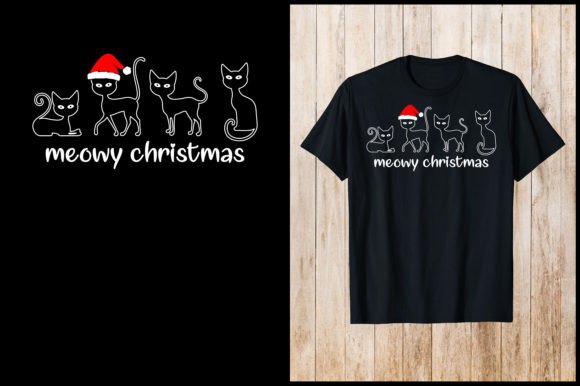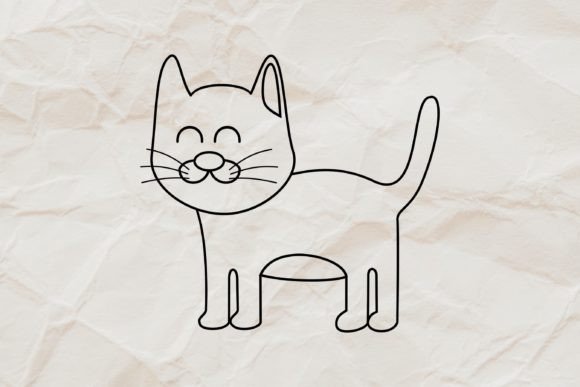
Cat Line Art Illustration Clipart SVG
First Impressions: Clean, Quiet, and Surprisingly Versatile
When I opened Cat Line Art Illustration Clipart SVG, I didn’t see a busy, over-rendered feline — I saw breathing room. A single, confident line tracing the curve of a cat’s ear, the gentle dip of its back, the subtle lift of a tail. It’s not cartoonish or cutesy; it’s calm, intentional, and quietly expressive. That’s rare in animal clipart — especially in the “boho abstract” space, where trends often lean toward clutter or heavy texture. This design feels like it was drawn by hand first, then refined with purpose. It lands somewhere between minimalist sketch and thoughtful illustration — which makes it ideal for embroidery projects where subtlety reads as sophistication, not simplicity.
A Real-World Test: Embroidering a Linen Tote for a Local Boutique
Last week, I used Cat Line Art Illustration Clipart SVG to create a small-batch embroidered linen tote for a neighborhood gift shop. The client wanted something soft, gender-neutral, and quietly memorable — no slogans, no glitter, just presence. We placed the cat centered on the front panel, scaled to 3.2 inches tall. On unbleached linen with matte cotton thread, the result was exactly what the mood demanded: elegant, tactile, and unmistakably handmade. Customers paused. They ran fingers over the stitches. One asked, “Is that *just* one line?” — a sign the design held attention without shouting.
Where It Shines (and Where It Asks for Thought)
Cat Line Art Illustration Clipart SVG excels in applications where clarity, flow, and quiet charm matter most:
- Custom apparel — especially sweatshirts, lightweight tees, and baby onesies, where dense fill stitches would overwhelm the fabric;
- Embroidered patches — its clean contour translates beautifully into satin-stitched edges or delicate running-stitch outlines;
- Tote bag design and kitchen towel accents — it holds up at medium scale without losing definition;
- Nursery decor and holiday embroidery — think pillow covers or tea towels for a new parent; the cat reads as gentle, not playful;
- Commercial embroidery for boutique branding — it supports a cohesive, understated visual language across product lines.
But let’s be direct: this isn’t a “throw-it-on-and-go” file for every surface. Its strength is also its limitation. Because it relies on line integrity rather than bold shape or internal detail, it needs careful handling on:
- Stretchy fabric — like knits or ribbed cuffs — where even slight distortion blurs the line’s rhythm;
- Textured fabrics — bouclé, heavy terry, or nubby burlap — where stitch definition can get lost in the grain;
- Curved surfaces — caps or curved apron pockets — where tight curves may require manual digitizing adjustments;
- Dark fabric — unless you choose high-contrast thread (ivory on charcoal works beautifully), fine lines can recede;
- Small hoop sizes under 3 inches — scaling down risks losing the subtle weight shifts in the line itself.
What It Does for Your Craft Business — Beyond the Stitch
As an Etsy seller and small shop owner, I pay attention to how a design affects perceived value — not just how it stitches, but how it *lands*. Cat Line Art Illustration Clipart SVG elevates handmade presentation because it looks considered, not templated. It signals care — in the same way a well-chosen font or thoughtful packaging does. Buyers notice that. They associate it with intentionality, which builds trust faster than any tagline.
It also supports brand consistency across digital and physical touchpoints. Use it in a printable mockup for your Etsy listing, then stitch it onto a real tote — the visual translation is seamless. That cohesion matters when customers move from screen to shelf. And because it avoids trend-heavy clichés (no hearts, no paw prints, no exaggerated eyes), it stays fresh across seasons — making it a smart long-term addition to your design assets.
Practical Embroidery Designer Notes — Before You Stitch
Before adding Cat Line Art Illustration Clipart SVG to your next project, take these five minutes:
- Test on scrap fabric — especially if using textured or stretchy material. Watch how the line flows through your chosen stabilizer and thread combo.
- Check thread color contrast — run quick black-and-white mockups. Does the line pop on both light and dark backgrounds? Adjust thread weight if needed.
- Review stitch density — since this is likely a line-based embroidery file (not a dense fill), confirm whether it’s optimized for running stitch or satin stitch — and whether your machine handles thin, continuous lines smoothly.
- Confirm licensing — the description says “can be used for any purposes,” but always verify commercial use rights before selling finished products or bundling it into digital embroidery files.
- Inspect corners and curves — zoom in. Does the line maintain consistent weight through turns? If digitized poorly, tight bends can bunch or skip — a red flag for reliability.
Final Thought: Not Just Another Cat — A Design Decision
Cat Line Art Illustration Clipart SVG isn’t about filling space. It’s about choosing restraint. It works best when you want embroidery to whisper, not announce — on a baby blanket gifted at a shower, a chef’s apron for a local café, or a holiday pillow that feels like a quiet moment, not a party. It’s proof that strong illustration doesn’t need volume to carry weight. For craft business owners, Etsy sellers, and designers who value clarity over clutter, this is less clipart and more a thoughtful tool — one that earns its place in your embroidery project, your product lineup, and your customer’s everyday life.