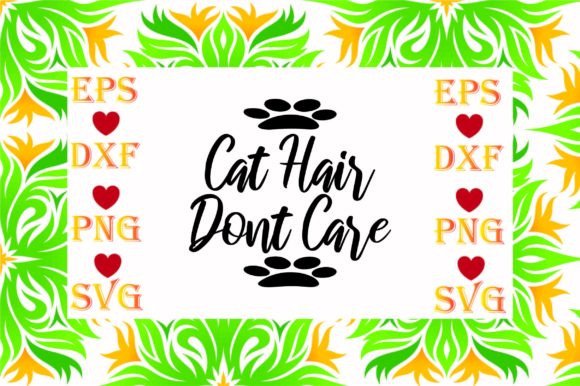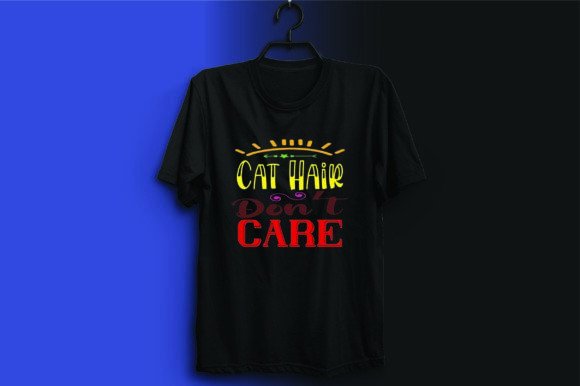
Cat Hair Don’t Care 321
As a designer and embroidery product reviewer, I’ve seen my fair share of digital files that promise the world but deliver little in real-world use. Cat Hair Don’t Care 321 is one of those designs that immediately catches the eye with its playful, feline-centric theme. It’s not just another graphic—it’s a statement. The design features a stylized cat with a bold, clean look that feels both modern and nostalgic at the same time. The layout is balanced, with enough detail to be visually interesting without being overwhelming. This makes it ideal for a wide range of embroidery projects, from casual t-shirts to more refined handmade items.
First Impressions: A Design That Speaks Volumes
From the moment I opened Cat Hair Don’t Care 321, I was struck by its simplicity and clarity. The shape of the cat is well-proportioned, and the overall composition has a friendly, approachable vibe. The design doesn’t rely on complex patterns or excessive detailing, which means it can be easily adapted to different fabric types and project sizes. Whether you’re working on a custom tote bag or a baby onesie, this design has the potential to stand out without needing too much embellishment.
The theme is clearly centered around cats, which makes it a great fit for pet lovers, animal-themed shops, or even holiday gifts. The visual personality of the design leans into humor and charm, which can translate well into both personal and commercial use. It’s the kind of design that could easily become a signature piece for a small business or a standout item in an Etsy shop.
Real-World Embroidery Performance
Testing Cat Hair Don’t Care 321 on various fabrics and project types gave me a good sense of how it performs in practice. On a standard cotton t-shirt, the design looked sharp and clean, especially when using a combination of satin and fill stitches. The stitch density wasn’t too heavy, which is a relief for those who want to avoid bulkiness in their finished products. However, I did notice that the design could benefit from a bit more spacing in certain areas, particularly around the cat’s ears and tail, where the lines are slightly close together.
For custom apparel like sweatshirts or tote bags, the design works well, especially when paired with a light-colored fabric. On darker materials, the contrast isn’t as strong, so I recommend testing thread color options before committing to a final project. The design also holds up nicely on patches, making it a solid choice for embroidered caps, aprons, or even personalized gifts like pillow covers.
One thing to keep in mind is that Cat Hair Don’t Care 321 may not be the best fit for very small hoop sizes. If you’re working on a cap or a curved surface, you might need to adjust the design or split it into sections for better visibility and accuracy. Additionally, on textured or stretchy fabrics, the design could lose some of its crispness, so using the right stabilizer is essential.
Where to Use It With Confidence
There are several scenarios where Cat Hair Don’t Care 321 shines. For example, it’s perfect for a handmade t-shirt design that you can sell on Etsy or at a craft fair. Its simple yet recognizable style makes it easy to market, and the design assets are versatile enough to work with both digital mockups and physical prototypes. As a printable mockup, it offers a clear visual representation that customers can easily imagine on their own clothing or home decor.
It also works well for baby items, such as onesies or blankets, where the playful aesthetic can add a fun touch without being too flashy. For holiday or wedding gifts, the design can be adapted to fit seasonal themes or personalized messages, making it a flexible option for creative entrepreneurs.
Where to Be Cautious
While Cat Hair Don’t Care 321 is generally user-friendly, there are a few situations where it might not perform as expected. On thin or delicate fabrics, the design could appear too dense, which might affect the comfort of the finished product. Similarly, on dark backgrounds, the design might not stand out as much as intended, so careful selection of thread colors is important.
For projects that require frequent washing, such as tea towels or kitchen linens, the design’s durability should be tested. High-traffic areas or tight stitching could cause the design to wear down over time. Also, if you’re planning to use the design for layered garments or curved surfaces, you may need to make adjustments to ensure proper placement and visibility.
Design Considerations for Professionals
As someone who regularly reviews embroidery designs, I always recommend testing any new file on scrap fabric before using it on a client’s project. This helps identify any issues with stitch density, color contrast, or fabric compatibility. For Cat Hair Don’t Care 321, I suggest trying it out on multiple fabric types to see how it looks and feels in different contexts.
Another key consideration is the use of stabilizers. Depending on the fabric you’re working with, you may need to add extra support to prevent puckering or distortion. It’s also a good idea to check the design in black and white mockups to ensure it maintains its visual appeal without color. Finally, always confirm the licensing terms before selling finished items or digital products, as this can vary between designers and platforms.
Final Thoughts: A Versatile Design for Creative Entrepreneurs
Cat Hair Don’t Care 321 is a design that offers a lot of potential for both personal and commercial use. Its clean lines, playful theme, and adaptable layout make it a strong candidate for a variety of embroidery projects. While it may not be perfect for every situation, it’s a reliable choice for small businesses, Etsy sellers, and crafters looking for a design that’s both functional and visually appealing.
Whether you’re creating a custom tote bag for a client or designing a new line of handmade products, Cat Hair Don’t Care 321 is worth considering. Just remember to test it thoroughly, choose the right fabric and thread colors, and use it in a way that aligns with your brand and customer expectations. With the right approach, this design can become a valuable addition to your embroidery toolkit.